Understanding St John Medical Alarms for New Zealand Seniors
When my mother started living alone after my father passed, the quiet worry that settled into our family conversations was hard to shake. She was determined to stay in her own home, and we wanted to support that independence. But the question of what happens if she falls or needs help urgently kept circling back. That is how I first began looking into personal emergency response systems, and specifically how st john medical alarms fit into the picture for New Zealand seniors.
What I learned over those weeks of research is that not all medical alarms are created equal. There are devices that simply call a monitoring centre, and there are systems that connect directly to family members or local emergency services. For many older adults in New Zealand, the choice comes down to reliability, cost, and how well the device matches their daily life. The St John brand carries a lot of trust here because of its long history with St John Ambulance and first aid training. But when you look at the actual service offerings, the landscape is more varied than you might expect.
What St John Medical Alarms Typically Offer
St John has offered medical alarm services in New Zealand for many years. The core idea is straightforward: you wear a pendant or a wristband with a button, and if you need help, you press it. That alert goes to a response centre where trained operators can talk to you, assess the situation, and call a family member, a neighbour, or an ambulance. For many seniors, this kind of emergency response provides a genuine sense of security.
The pendant is usually waterproof, so you can wear it in the shower, which is where many falls happen. Battery life on these devices tends to be long, often lasting a year or more before needing a replacement. That matters because you do not want to be worrying about charging yet another gadget. The systems also use a landline or a cellular connection to communicate, depending on the model and your home setup.
Where St John medical alarms have traditionally been strong is in their reputation and the human touch of their response centre. The operators are based in New Zealand, and they understand the local context. That can make a real difference when someone is panicked and needs calm, clear help. But there are also limitations that families should consider.
Where the Gaps Can Appear
One thing I noticed during my research is that many traditional medical alarm services, including some from St John, focus on a fixed base station in the home. That works well if the person never leaves the house, but what about when they go to the supermarket, visit the doctor, or take a walk in the park? GPS tracking is not always included in standard packages. For an active senior who still drives or takes public transport, that can be a serious limitation.

Another point is cost. Many services charge a monthly fee, and those fees can add up over the years. Some plans require a long-term contract, which can feel restrictive if circumstances change. For families on a fixed income, the ongoing expense may be a barrier. That is where the model used by providers like Familyr stands out, with no monthly fees and a pay-once approach. But I will get to that shortly.
There is also the question of what happens when you press the button and no one answers at home. Traditional systems typically call a list of contacts in order. If your daughter is at work and misses the call, or your son is on a flight, the system may escalate to the monitoring centre. That is fine, but it can introduce delays. Some newer systems offer family monitoring directly, where the alert goes straight to a family member's phone via an app. That can be faster and more reassuring for everyone involved.
How St John Medical Alarms Compare to Modern Alternatives
When I sat down with my mother to talk through her options, I realised that the choice was not just about the device. It was about her lifestyle. She still gardens, visits friends, and goes to the local library. A pendant that only works at home would not cover her real life. That is when I started looking at systems that combine fall detection, GPS tracking, and two-way calling through a wearable that works both at home and on the move.
The phrase st john medical alarms came up a few times in our conversations, because my mother remembered St John Ambulance from her school days. There is a comfort in that familiarity. But the reality is that the technology has moved on. Modern medical alarms can now detect a fall automatically, even if you cannot press the button. They can send your location to family members if you are out and about. They allow for two-way voice communication, so the responder can talk to you through the device itself, not just through a base station speaker.
For a caregiver who lives in another city, that kind of connectivity is invaluable. You can check in on your parent without calling every hour. You can see their location if they wander. You can speak to them through the pendant if they need reassurance. It shifts the dynamic from worry to informed support.
What to Look for in a Medical Alarm
If you are comparing options, including St John medical alarms, here are a few practical things to check:
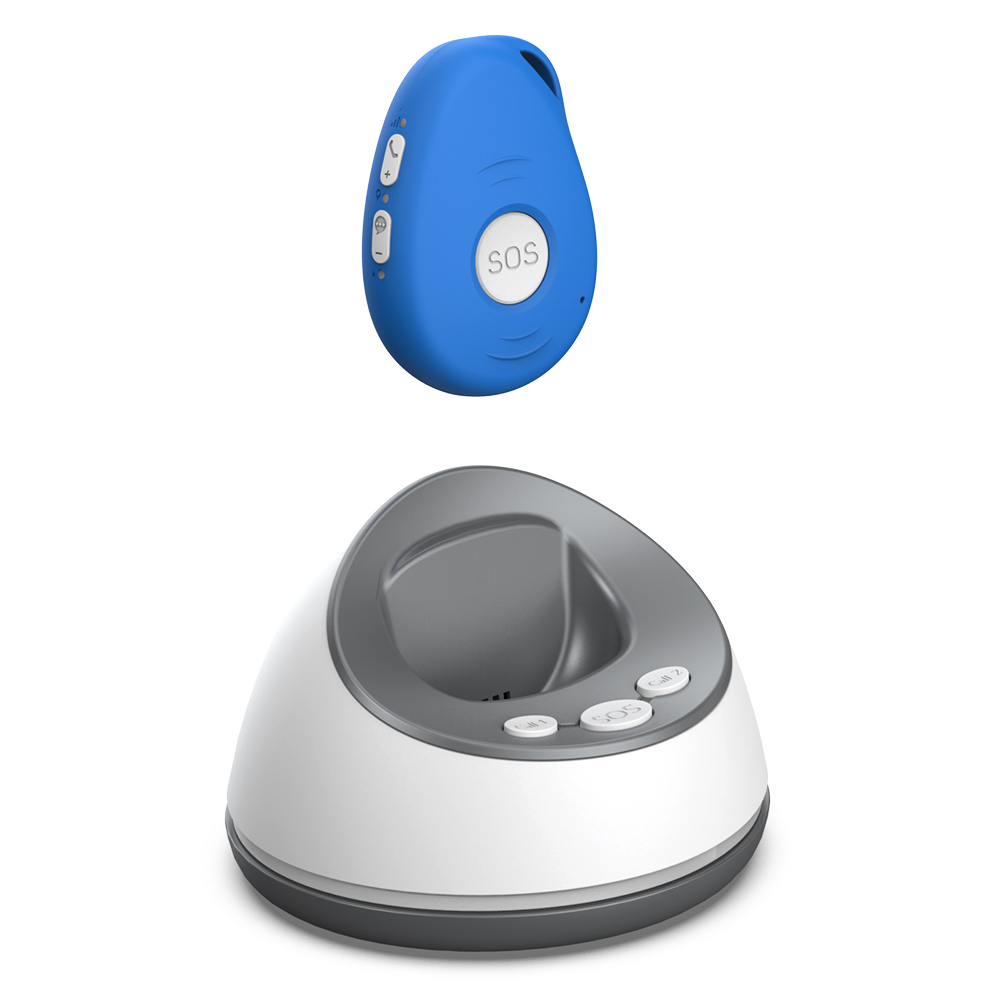
- Does the device work outside the home? Look for GPS tracking and a mobile network connection, not just a landline base unit.
- Is the pendant waterproof and comfortable to wear all day? A device that gets taken off is useless in an emergency.
- How does the alert reach your family? Can it send a notification directly to a smartphone, or does it only call a pre-set list of phone numbers?
- What are the ongoing costs? Be clear on monthly fees, contract terms, and whether there are any hidden charges for extra features like fall detection.
- Is there automatic fall detection? This is critical for seniors who may be unable to press the button after a fall.
These questions apply whether you are looking at St John, Familyr, or any other provider. The goal is to match the system to the person, not the other way around.
Real-World Use and Practical Advice
I remember my mother telling me about her neighbour, a woman in her late eighties who still walks her dog every morning. She wears a pendant religiously, but it only works inside her house. One morning, she slipped on a wet footpath two blocks from home. She was fine, but it took her ten minutes to get the attention of a passerby. That story stuck with me. It is the kind of scenario where a wearable with GPS and fall detection would have made all the difference.
For New Zealand seniors, personal safety is not just about having a button to press. It is about having a system that fits your actual day. Many older adults want to stay active, visit family, and maintain their routines. A medical alarm that limits them to the house can actually reduce their quality of life. That is why I lean toward devices that are truly portable, with long battery life and reliable cellular connections.
When I finally recommended a system to my mother, I chose one that combined fall detection, GPS tracking, and two-way calling, with no monthly fees. The upfront cost was higher, but the peace of mind has been worth it. She wears the pendant every day, even in the shower, because it is waterproof and comfortable. I get a notification on my phone if she ever needs help. And she knows that if she presses the button, I will hear her, no matter where I am.
That is the kind of home care support that modern technology can provide. It does not replace the human connection, but it strengthens it. For families spread across New Zealand, that can be a lifeline.
Final Thoughts on Choosing the Right System
The market for medical alarms in New Zealand has grown significantly in recent years. You have options ranging from basic landline pendants to sophisticated mobile devices with app-based family monitoring. The St John name still carries weight, and for some families, it will be the right choice. But I encourage you to look beyond the brand and consider the actual features, costs, and how the device will work in your loved one's daily life.

Talk to the person who will wear it. Ask them what worries them most. Is it falling in the garden? Getting lost on a bus trip? Being alone at night? The answers will guide you to the right solution. And remember that the best medical alarm is the one that gets worn consistently. Comfort, battery life, and waterproofing are not luxuries. They are essentials.
If you are exploring st john medical alarms, or any alternative, take the time to compare the full package. Look at the monitoring centre's response times, the ease of setup, and whether you can test the system before committing. A good provider will let you try the device and see how it fits before you lock in.
Ultimately, the goal is to support independence while staying connected. That is something every family deserves, and with the right medical alarm, it is entirely achievable.